
Steps You Can Take at Home to Relieve Back Pain
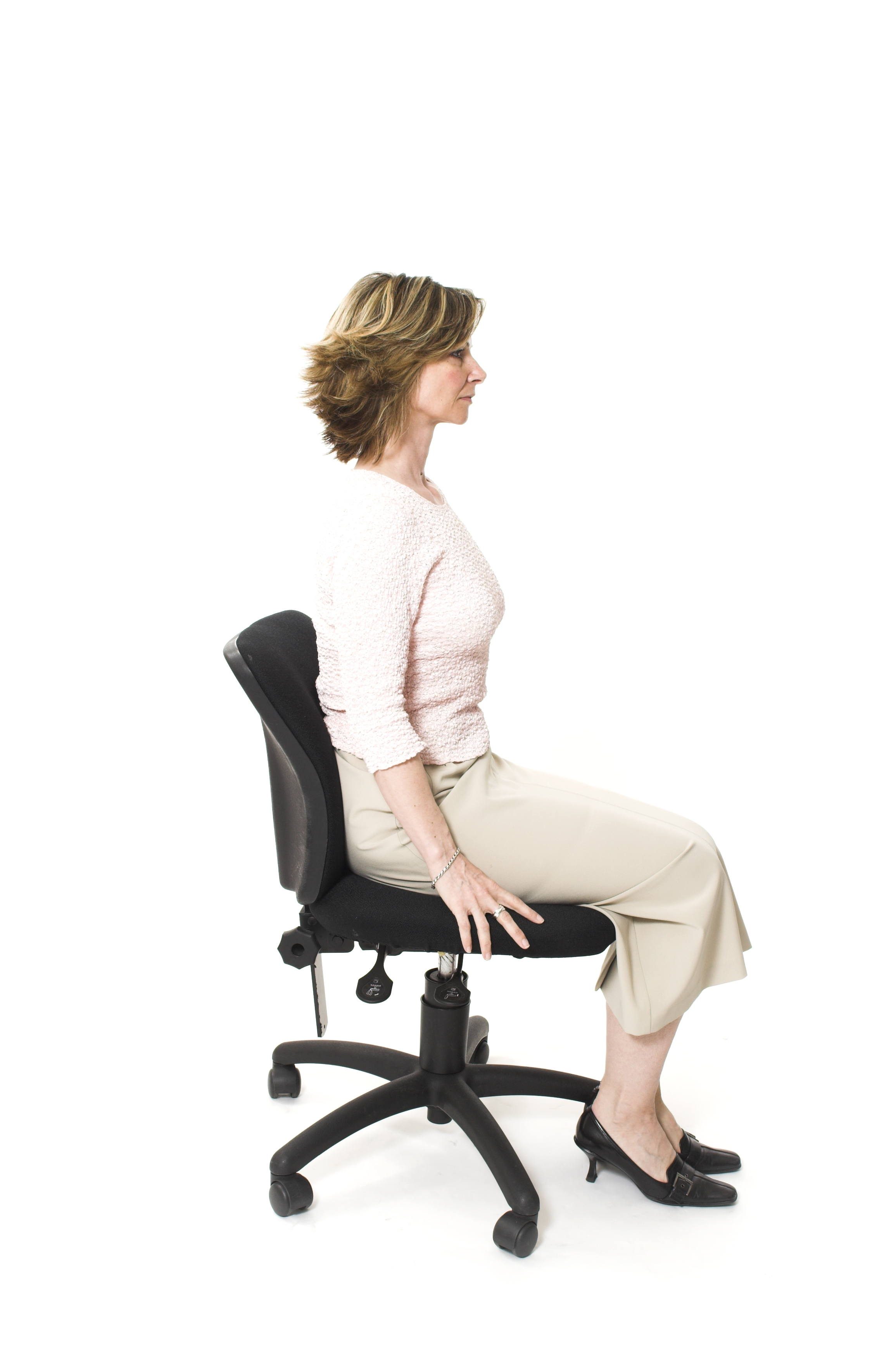 When you suffer from back pain, every other facet of your life might be affected. Although you may be working with a professional for ongoing treatment, there are a few things you can do at home that will help to relieve back pain.
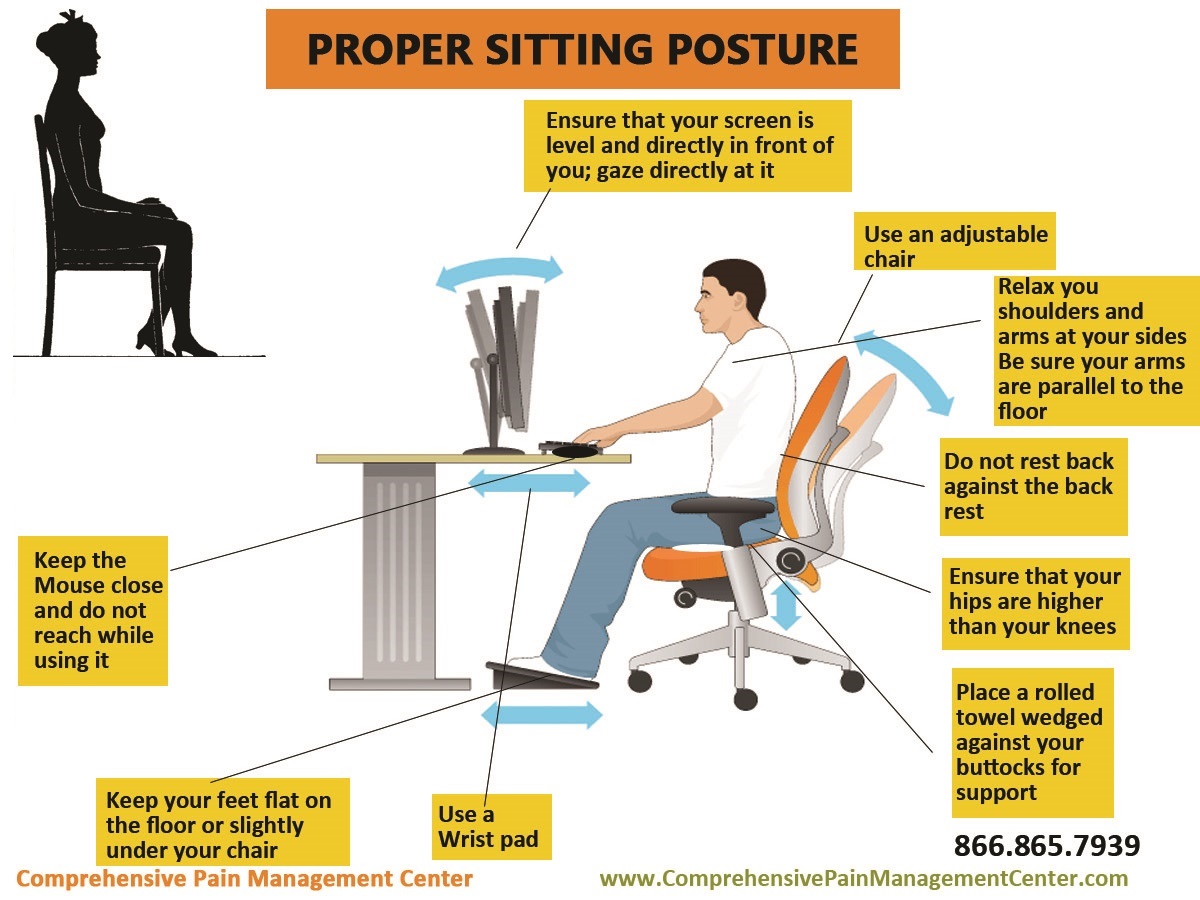
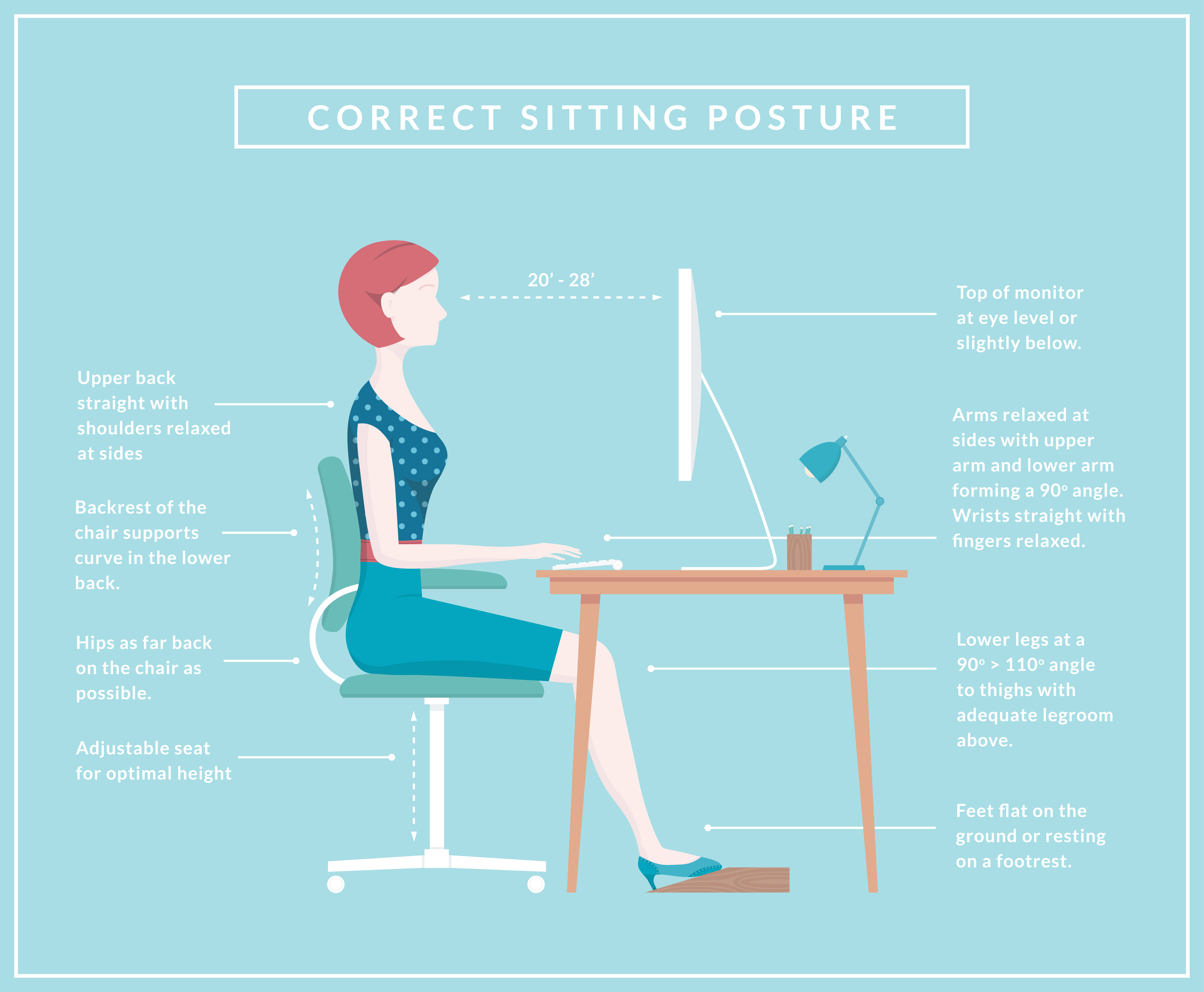
One of the easiest things you can do as you recover from acute back pain is to change the way you are sitting. For example, it is helpful to reduce the amount of time that you spend sitting in one position. After ten or fifteen minutes, get up and mover around. Choose a firm chair with arm rests and room for some lumbar support. (This could be a rolled up towel or a small pillow.) Place your feet flat on the floor and make sure that your hips and knees are at a right angle. When you want to stand, move forward on the chair and then straighten your legs. Try to avoid bending at the waist. Use similar techniques when standing, driving, and kneeling. Read more »
Infographic: Correct Sitting Posture
Goals of Pain Management
 When you go to a pain management center, your doctor may ask you what your goals are. They want to know your goals of pain management and what you expect to get out of the treatment. While the most obvious goals is to reduce or eliminate the pain, you may have other needs that should be addressed. When you go to your appointment, consider some of the following ways pain management in Ventura County can put together a treatment plan to help you function more efficiently in your daily activities.
If you are using medication to treat your pain, you may be worried about side effects and sustainable benefits from the drugs. One of your goals of pain management could be to find medications that won’t leave you addicted over the long term while still helping you function day to day. Read more »
Putting Positive Thinking to Work for Your Pain Relief
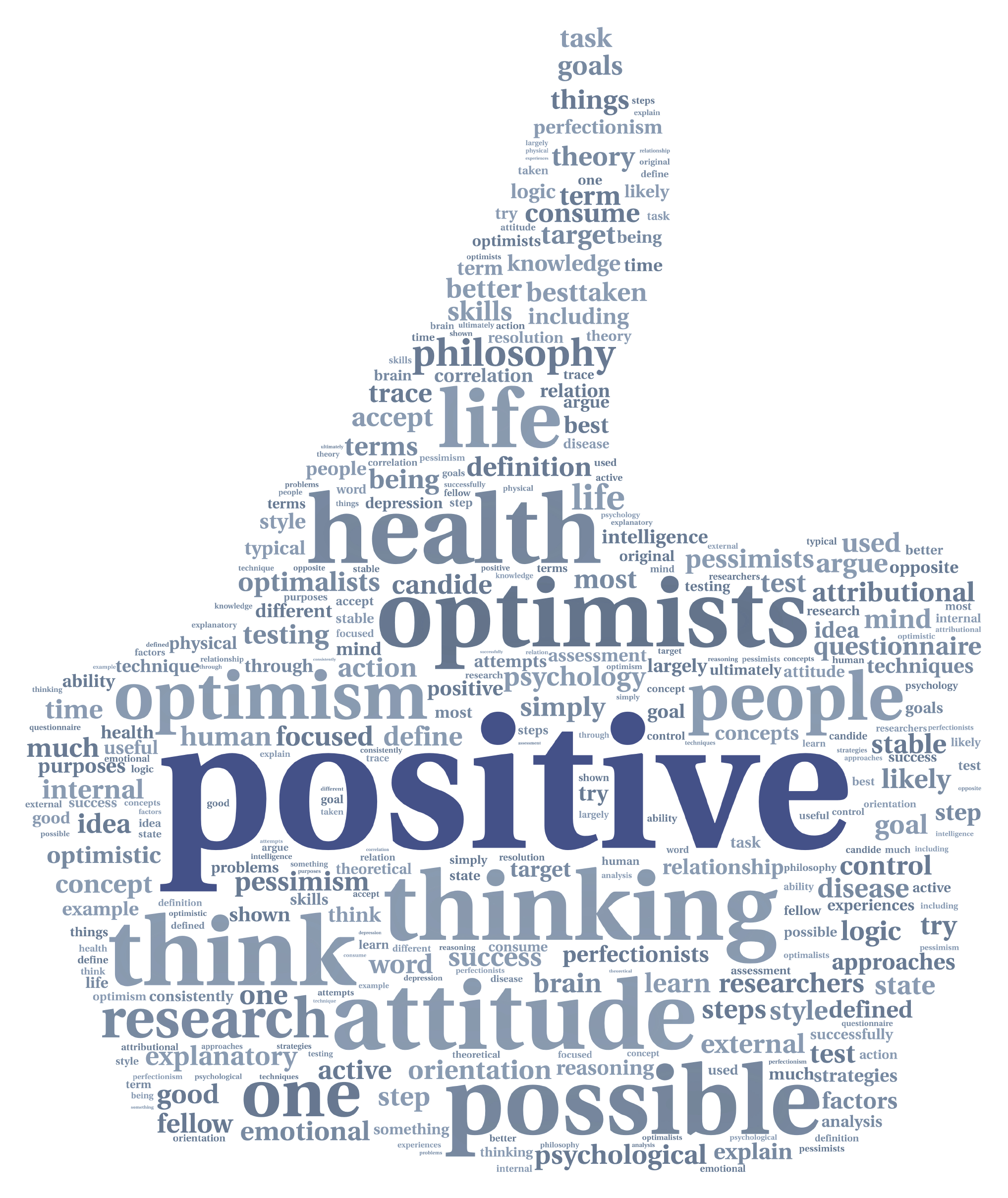 Can positive thinking ease your back pain? It may not be the only answer you need, but a positive outlook can certainly have an impact on your pain relief. There are some significant studies supporting this claim. In fact, doctors have may have understood this philosophy for a long time as they try to set their clients at ease before beginning a treatment. This is because even decreasing the expectation of pain can have an effect on how much pain the person experiences. Your own expectations and perceptions of your pain can actually affect how your brain processes that pain, either increasing or decreasing your experience of pain. Read more »
Seeking a Natural Solution to Back Pain
 Back pain can prevent you from enjoying life to the degree that you once believed possible. Today, a surprising majority of Americans suffer a back injury sometime during their life. Many of these people look for relief in a bottle of over-the-counter medications or go to their doctors seeking stronger medicines. These choices may be effective, but they often have long term consequences, such as stomach ulcers. Rather than adding to your injuries, choose a course of natural solution to back pain.
One of the first steps to finding a natural solution to back pain is to recognize what is causing your pain. Some of the most common causes include injuries, physical changes brought on as you age, improper lifting, and some types of medical conditions. As you recognize the causes of the pain, you will be prepared to find the right treatment. Read more »
Correct Sitting Posture
Complementary Therapies at Pain Management Centers
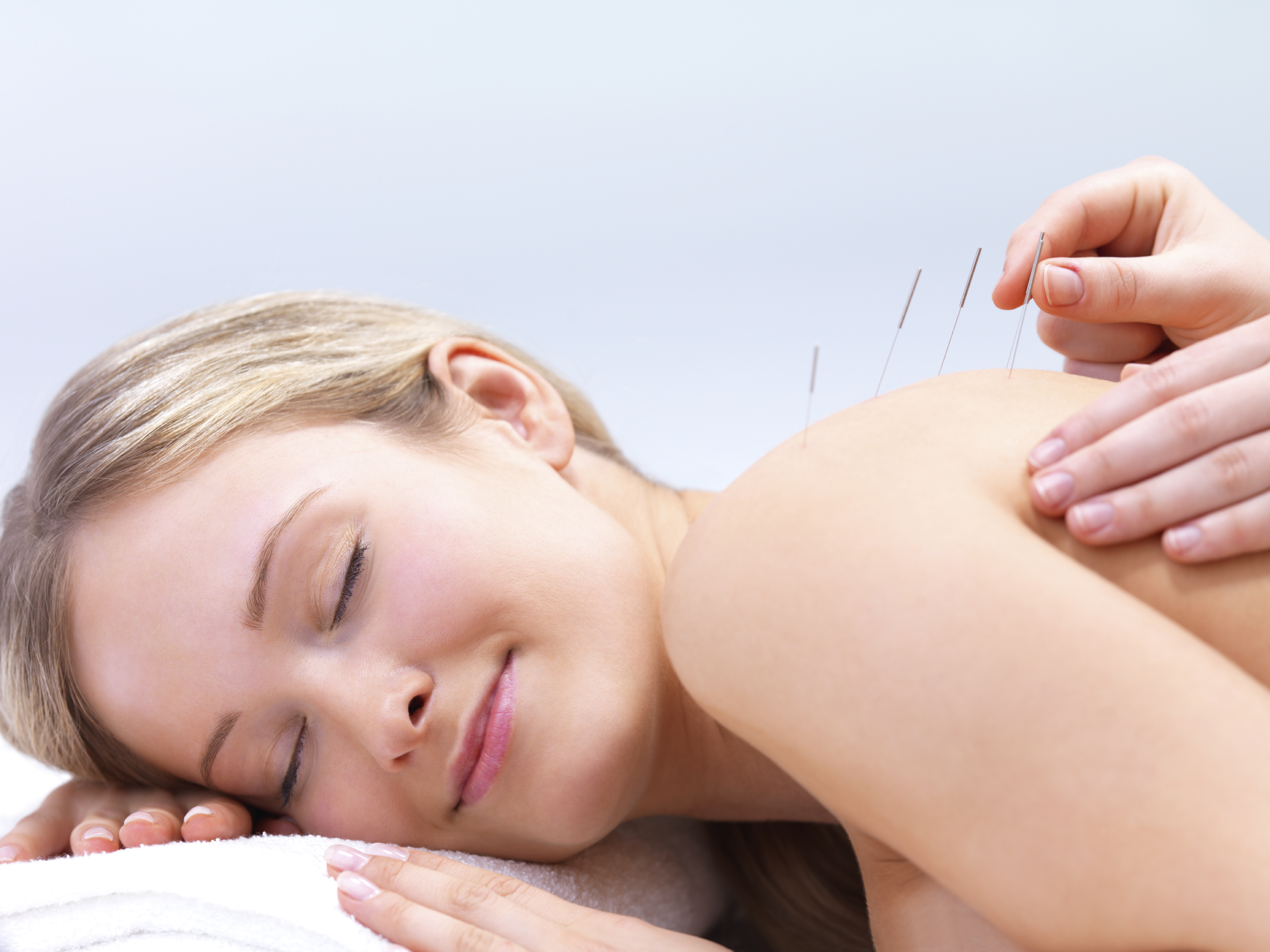 What’s the difference between complementary therapies or alternative therapies? These terms are being used interchangeably, but they actually refer to different healthcare approaches. If you’re suffering from pain, a pain management center may help by offering complementary therapies in addition to the conventional treatments. Your doctor will take into account all of your goals and needs when developing a treatment plan to manage your chronic pain.
Conventional medicine is the treatment your doctor provides. Identifying the source of the pain and treating it with drugs, physical therapy, neurological approaches, and surgery would be examples of mainstream medicine. Your insurance generally only covers conventional medicine treatments.
Complementary therapy refers to using non-mainstream treatments in addition to conventional medicine. Activities such as acupuncture, yoga, hypnosis, biofeedback, and massage are integrated into your treatment plan with your doctor’s support. Even dietary changes and therapeutic touch could be complementary therapy. Your pain management center will have these treatment providers. Read more »
What to Expect at an Appointment for Pain Management

Chronic pain is a problem for more than 50 million Americans. New regulations are limiting the pain medication that doctors can prescribe. You may not even want to manage your pain with narcotics. Your primary care doctor may recommend a center for pain management to help find other treatment options to manage chronic pain. Going to another doctor can be stressful, especially when you are living with pain. Here’s what you can expect during your first appointment for pain management.
At your appointment, you will fill out paperwork for the pain management center. Your medical background is very important to understanding your pain. Be prepared to list all your past surgeries and health problems. The doctor will want to know any medications you are currently taking. You will also need to identify the pain and how it started. Read more »
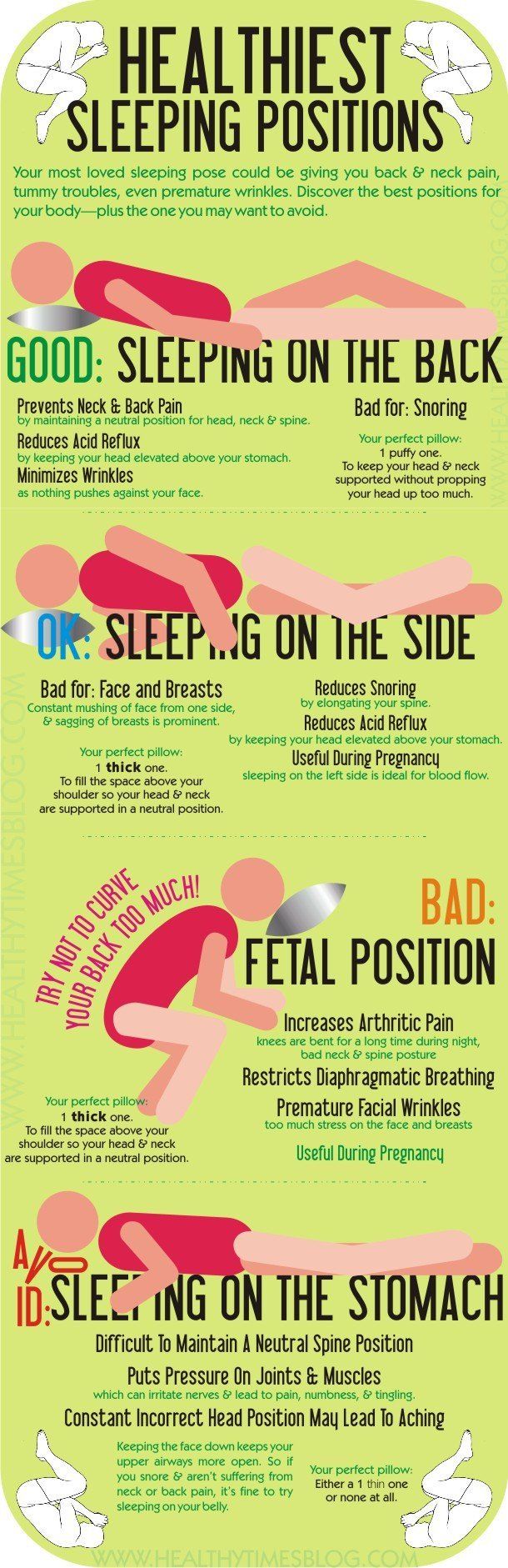
[Infographic] Sleeping Positions to Avoid Back Pain
If you are experiencing back pain, the position that you sleep in could be a big factor. Sleeping correctly in a healthy position could avoid chronic back pain in the future. It can also help to decrease your acute back pain. See the infographic below to determine if you should adjust your sleeping position.
[Infographic] Foods for Pain Relief